FoodFarm Project
Poco a Poco San Pedro and Foodbank Lakeside are again working together, this time to create a FoodFarm,
to provide villagers with resources and support to grow pesticide free, organic food in the villages. We all
know that these indigenous areas are faced with many problems, and clearly, a magic bullet does not exist
to fix everything. But we believe there is a starting place: foster, encourage, and support self-sustainability.
When a village has a way to grow food and feed its own people, it is the beginning of hope, pride, self-
respect and health.
The next step to alleviate hunger in these villages is by providing resources and support for the villages to
grow their own food.
Years ago, these communities were self-sufficient and able to feed themselves by fishing and growing corn
and chayote. But San Pedro Itzicán, with a population of 6,686 people (based on 2020 figures) and 3,026 of
them being under the age of 14; and 21% of these households headed by women, are no longer able to be
self-sufficient. 21.6% of the population are illiterate and 47.9% did not complete primary school. Many
women are having to leave home to work in Guadalajara as domestic help or workers in factories, leaving
behind children to attend school or not. But these families still do not have enough money to feed their
children.
So we have launched a Go Fund Me page, to support the FoodFarm where food will be grown initially for
the Kids Kitchen program. Our goal is to begin to replace what is now bought with what is grown. Our
ultimate measure of success will be to step aside once enough food is consistently produced.
Do watch this excellent video at this link below to learn more.

Eco Huerto Earth Boxes
Developed by commercial farmers and proven in the lab and on the farm, you get “great results no matter what color your thumb is,” because this maintenance-free growing system controls soil conditions, eliminates guesswork, and more than doubles the yield of a conventional garden—with less fertilizer, less water, and virtually no effort. Just add plants, water, and sunlight for an easy garden that requires no digging, no weeding, and no guesswork!
We decided to start phase I of the project using Eco Huerto Earth Boxes, thinking that
this simple planting method would be best.

Tuna Salad
No Mexican gathering would be complete without food and Anita and her staff
prepared for us a healthy feast.

Agua de Avena
(Oatmeal Water)

Steamed Zucchini

Fruit

Glorious Guacamole
 Steamed Cauliflower
Margarita starting our class.

Elizabeth imparting her gardening wisdom.

Andrea at the ready.

Everyone received an Eco Huerto Earth Box to prepare.


The planting substrate/medium was mixed.

Samuel and his Mom loved the class.

Everyone got involved, even the youngest of our gardeners.


Fish fertilizer was used to condition the soil.

Our first plantings.

Don Ezekiel and Patrica confir.
 Pollo plants.


|
Our new volunteer Nancy Zugschwerdt germinated
plant starters for our new garden. Gracias Nancy !

Rabano/Radish Sprouts


Mulching is a must !


Almost done.

Our new food farm lot affords us space to plant in the ground as well.


First plantings in ground - beans

Don Luis will be the caretakers of the property, assuring that our work is protected.

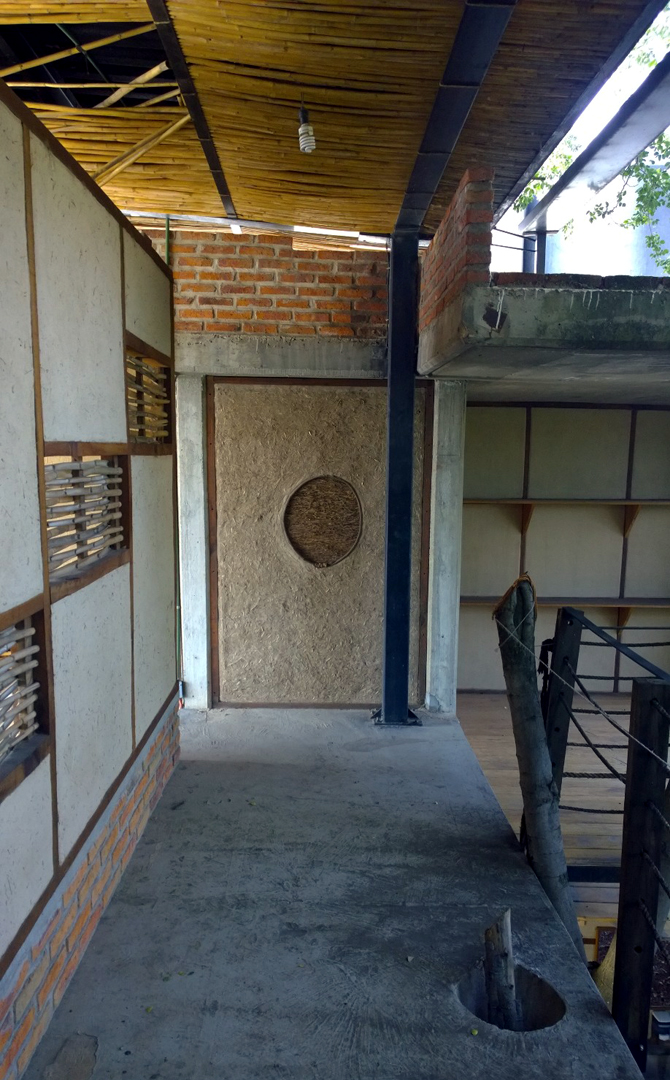
And last but not least our warehouse space
is huge and can be utilized in many ways...
we are only limited by our imaginations.